

When you’re ready to sell fine jewelry in Portland, understanding what makes your piece valuable is an important first step.
Fine jewelry can be worth considerably more than the precious metal it’s made from. Gold and platinum provide an underlying source of value, but diamonds, gemstones, designer names, craftsmanship, condition, and demand for the finished piece may also influence what a buyer is willing to pay.
At Royal Element Portland, we take the time to evaluate the jewelry as a complete piece — not simply place it on a scale and assume its only value is in the metal.
Whether you’re selling one special piece or an entire jewelry collection, stop by for a free, no-obligation evaluation.
Professional Evaluations · No Obligation To Sell · Local Portland Service · Same-Day Payment When You Accept
Walk-ins welcome Monday–Friday, 9 AM–5 PM
Saturday and after-hours appointments available.
Our Happy Customers
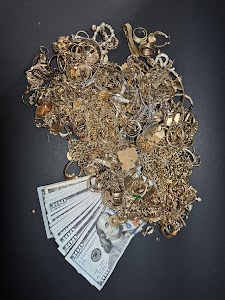








































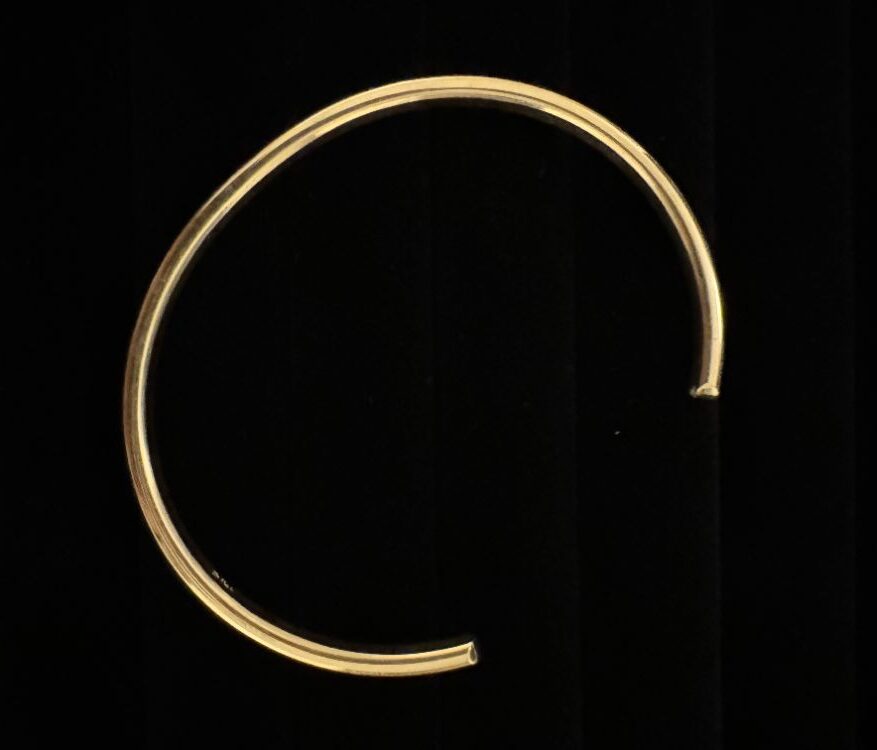
What Is Consider Fine Jewelry
Fine jewelry is generally made using precious metals and may incorporate diamonds, natural gemstones, or other valuable materials.
Unlike inexpensive fashion or costume jewelry, fine jewelry is commonly made to last for generations and can retain meaningful material or resale value even when styles change.
Royal Element evaluates fine jewelry including:
- Fine Gold Jewelry
- Diamond Rings
- Engagement Rings
- Wedding Bands
- Diamond Necklaces
- Diamond Earrings
- Diamond Bracelets
- Gold Chains & Necklaces
- Platitum Jewelry
- 18K Gold Jewelry
- 14K Gold Jewelry
- Designer Jewelry
- Luxury Jewelry
- Gemstone Jewelry
- Vintage Fine Jewelry
- Estate Jewelry
- Fine Jewelry Collections
- Inherited Fine Jewelry
Not sure whether your piece qualifies as fine jewelry? Bring it in.
Hallmarks, construction, precious-metal content, stones, and manufacturer markings can often provide useful information about what you own.
Fine Jewelry Isn’t Always Just Worth Its Weight in Gold
When people think about selling gold jewelry, they often assume the formula is simple:
Purity + Weight + Gold Price = Value
That’s an important starting point — but with fine jewelry, it may not tell the entire story.
Imagine two 18K gold rings that contain approximately the same amount of gold.
One is an ordinary band with little secondary-market demand. The other is a signed designer ring with desirable diamonds and strong demand as a finished piece.
Even though their gold content may be similar, treating both pieces strictly as scrap could overlook important differences.
That’s why our evaluation begins with the entire piece, not just its weight.
What Makes Fine Jewelry Valuable?
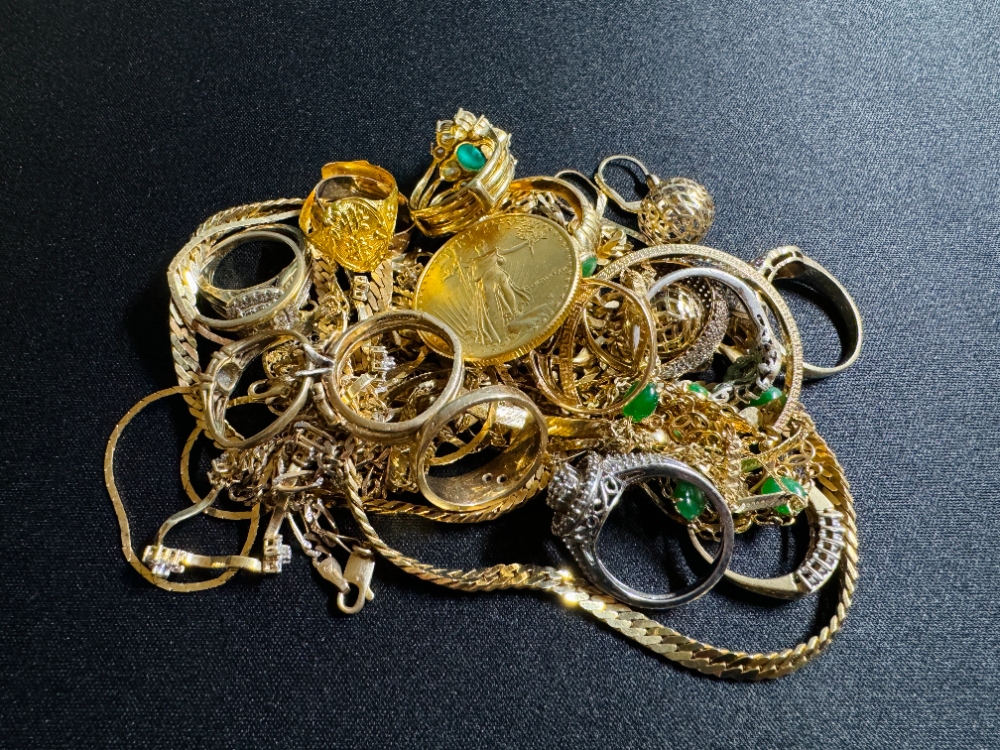
Several characteristics can contribute to the value of fine jewelry. Depending on what you bring in, some factors may matter much more than others.
Precious Metal
Gold and platinum can establish a strong underlying value for fine jewelry.
We identify the type and purity of the precious metal and consider its weight along with current market pricing.
Common gold markings include:
10K / 417 — approximately 41.7% gold
14K / 585 — approximately 58.5% gold
18K / 750 — approximately 75% gold
22K / 916 — approximately 91.6% gold
Stamps are useful, but they aren’t the only thing we rely on. Jewelry can be unmarked, repaired, altered, or manufactured using multiple materials, so professional testing may be used to verify precious-metal content.
Condition & Wearability
Condition can matter differently with fine jewelry than it does with ordinary scrap gold.
A wearable, desirable piece in excellent condition may have stronger finished-jewelry potential.
That doesn’t mean damaged fine jewelry is worthless.
Broken clasps, scratches, missing stones, bent settings, or other damage may affect resale potential, but the precious metals and remaining valuable components can still provide significant underlying value.
Current Market Demand
Jewelry value isn’t determined solely by what an item originally cost.
Styles change. Certain designers become more desirable. Gold prices move. Diamond and gemstone markets change. Some vintage designs come back into fashion while others have limited secondary-market demand.
For that reason, an old insurance appraisal or original retail receipt doesn’t necessarily represent what a piece can be sold for today.
Our goal is to evaluate what you actually have within the context of the current market.
Why Sell Fine Jewelry to Royal Element Portland?
Whole-Piece Evaluation: We don’t automatically assume every piece of jewelry should be valued only for scrap. When appropriate, we consider diamonds, gemstones, designers, craftsmanship, and finished-jewelry demand.
Precious-Metal Expertise: Gold and platinum still provide an important foundation for many fine jewelry evaluations. We professionally evaluate the precious-metal content and consider current market prices.
Private, Local Transaction: Keep your valuable jewelry with you and bring it directly to our Portland location rather than shipping expensive pieces to an online buyer.
One Piece or a Collection: Sell a single diamond ring or bring an entire fine jewelry collection for evaluation.
No-Obligation Offers: You don’t have to make your decision before visiting. Hear our offer first and decide whether selling makes sense for you.
Same-Day Payment: If you decide to accept our offer, the transaction and payment can be completed the same day.
Price-Match Option: Already have a current written offer from another legitimate jewelry buyer? Bring it with you and ask about Royal Element’s Price Match Guarantee.
Fine Jewelry Isn’t Always Just Worth Its Weight in Gold
When people think about selling gold jewelry, they often assume the formula is simple:
Purity + Weight + Gold Price = Value
That’s an important starting point — but with fine jewelry, it may not tell the entire story.
Imagine two 18K gold rings that contain approximately the same amount of gold.
One is an ordinary band with little secondary-market demand. The other is a signed designer ring with desirable diamonds and strong demand as a finished piece.
Even though their gold content may be similar, treating both pieces strictly as scrap could overlook important differences.
That’s why our evaluation begins with the entire piece, not just its weight.
Direct Sale, Consignment, Auction or Selling It Yourself?
There is no single best route for every piece. The right choice depends on what you own and what you value most: speed, certainty, convenience, control or the possibility of a higher future return.
A direct local sale
A direct sale is designed for clarity and speed. You receive an offer, decide whether to accept it, and do not wait for an end buyer. The buyer takes on the cost and risk of holding, repairing, authenticating and reselling the jewelry. Because of that, a direct offer will be below an eventual retail asking price.
This route often makes sense when you want a private in-person transaction, a prompt decision, no shipping, no listing work and no uncertainty about whether an item will sell.
Consignment
With consignment, the owner is paid after a piece sells. A good consignor may reach retail customers and potentially produce a higher net amount for a desirable piece, but there is no guaranteed sale date. Commission, insurance, photography, repair, return and markdown terms should be understood in writing.
Auction
Auction can be appropriate for rare, strongly attributed or highly sought-after jewelry. Competitive bidding can help when several informed buyers want the same piece. Results are not guaranteed, and seller’s commission, insurance, photography, shipping, reserve terms and the time until settlement all matter.
A private marketplace sale
Selling directly to another consumer may offer the highest theoretical gross price. It also requires accurate descriptions, good photographs, secure payment, insurance, shipping or safe meetings, and a plan for returns or disputes. High-value jewelry attracts fraud, and an unknown seller may struggle to establish trust.
Royal Element offers the direct local-sale option. We want you to understand the tradeoff before you choose it. If a piece appears better suited to formal appraisal, specialist research or another selling channel, the honest next step may be to pause rather than rush.
What Happens During a Visit to Royal Element?
1. We ask what you brought and what you want to accomplish
Some visitors have one inherited ring. Others are sorting a parent’s entire jewelry box. Tell us whether you want to sell everything, review only selected pieces or separate likely valuables from items that need another kind of specialist.
2. We examine the jewelry before grouping it
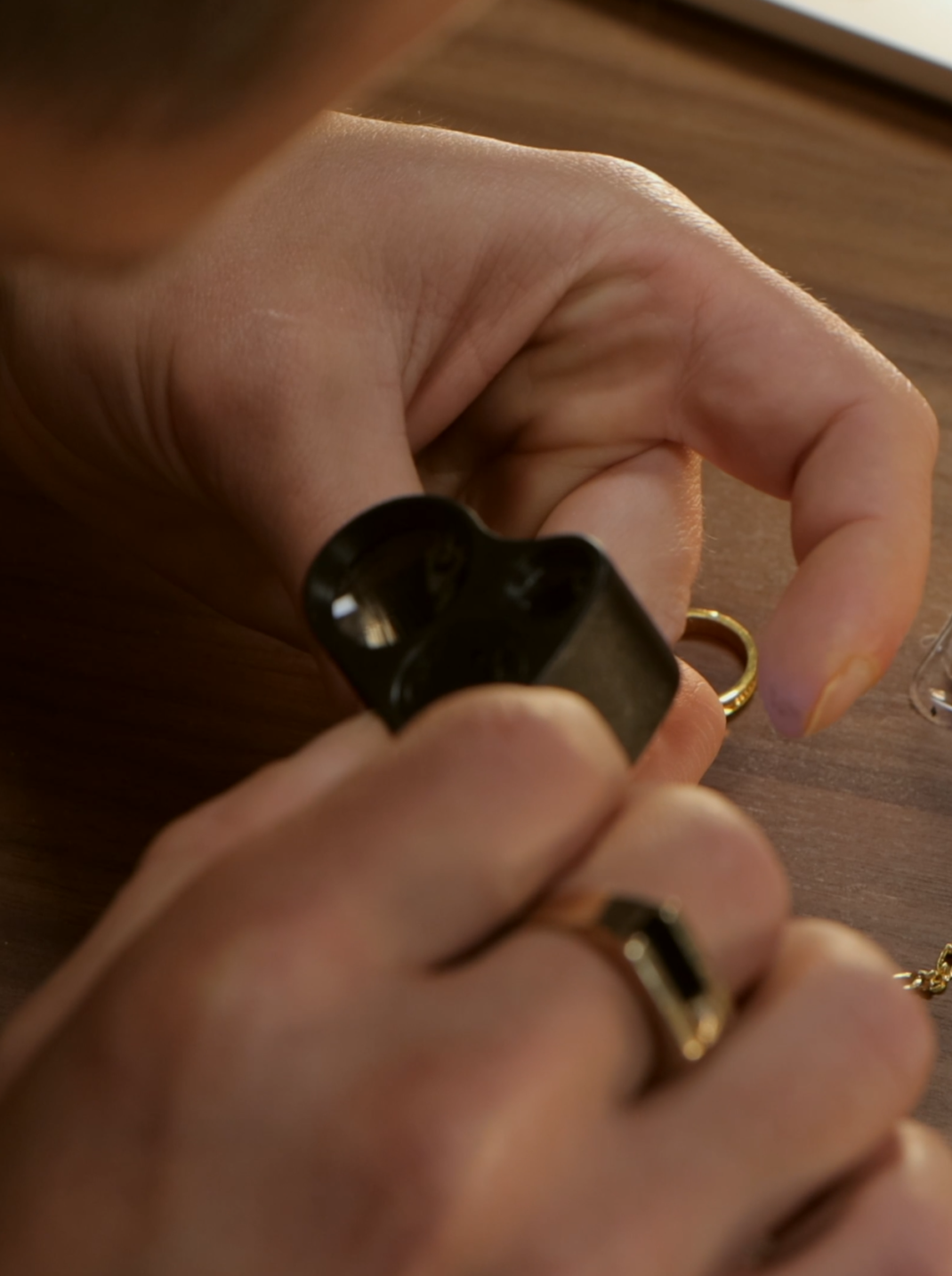
We look for metal marks, maker’s marks, construction clues, signatures, stone characteristics, condition and pieces that belong together. Items should not be grouped by color alone. White metal, for example, could be platinum, white gold, silver, plated metal or something else.
3. Relevant items are tested and weighed
When precious-metal content drives value, purity and eligible weight are considered with the current market. Gemstone, designer or resale factors are reviewed separately when they are relevant. Ask to see the numbers and hear the reasoning behind the offer.
4. You receive an offer on the items Royal Element can buy
The explanation should tell you whether the offer is based primarily on metal, the complete piece, a diamond or gemstone, designer demand, or a combination. A collection does not have to be sold all at once. You may accept some items and keep others.
5. You decide
There is no obligation to sell. Ask questions, compare the offer with your priorities and take more time if you need it. If you accept, we complete the required identification and transaction records and issue payment for the purchase.















































Find the Right Place to Sell Fine Jewelry in Portland
If you’re searching for a place to sell fine jewelry in Portland, bring your pieces to Royal Element for an evaluation that considers what you’re actually selling — from its precious-metal content to diamonds, gemstones, designer names, and potential value as a complete piece.
Royal Element Portland
4500 NE Sandy Blvd
Portland, OR 97213
(503) 572-9445
Monday–Friday: 9:00 a.m. 5:00 p.m.
Saturday: 10:00 a.m.-4:00 p.m.
Bring your jewelry. Learn what makes it valuable. Hear our offer. Then decide.
4500 NE Sandy Blvd
Portland, OR 97213
Frequently Asked Questions About Selling Estate Jewelry
No. Estate jewelry means previously owned jewelry. It can be modern, vintage or antique. Antique jewelry is commonly understood to be at least 100 years old, while “vintage” is used more loosely for older period jewelry.
Hallmarks and paperwork can provide clues, but neither is conclusive by itself. Metal testing, examination of construction and gemstone identification may be needed. Do not rely only on a magnet test, an at-home acid kit or an online photo comparison.
Yes. A prior appraisal is not required for a direct purchase evaluation. Bring one if you have it because it may contain measurements, stone details or identifying information. The current offer will depend on the item and today’s market, not simply the appraisal amount.
No. A purchase offer states what a buyer is prepared to pay under the terms presented. A written appraisal is prepared for a defined purpose, such as insurance, estate administration, tax reporting or fair-market-value documentation. If you need formal documentation, arrange an independent qualified appraisal before selling.
Insurance appraisals often estimate retail replacement cost. A direct buyer must account for the time, cost and risk involved in authenticating, repairing, holding and reselling an item. The two figures answer different questions and should not be expected to match.
Yes, many broken, worn, tangled, engraved or incomplete pieces still have precious-metal value. A damaged signed or period piece may also deserve review before it is treated as scrap. Bring loose stones and broken components with the item if you have them.
Royal Element buys diamond jewelry and selected gemstone jewelry. Whether a stone contributes separately to an offer depends on its identity, size, quality, condition and market demand. Ask how each important stone is being considered.
An absent or unreadable stamp does not prove that an item is fake. Marks wear away, old systems vary, and resized rings sometimes lose hallmarks. The piece can still be examined and tested.
Usually not. A gentle dry wipe is enough for most items. Avoid chemical dips, abrasive polish, ultrasonic cleaning and home repairs, especially with pearls, opals, emeralds, enamel, foil-backed stones or antique jewelry.
No. Leave the piece intact until it has been evaluated. Removing stones can damage them, destroy useful construction clues and reduce the value of jewelry that should remain complete.
Sometimes. Original packaging, receipts, certificates, grading reports and service records can support identification and buyer confidence, especially for designer jewelry and important stones. They do not guarantee a higher offer, but they are worth bringing.
Yes. You can request an offer on selected pieces and keep the rest. If pieces form a matching set or signed suite, have them reviewed together before separating them.
You must own the jewelry or have legal authority to sell it. If the items still belong to an estate, probate is open or heirs disagree, confirm authority with the estate’s attorney or personal representative before a transaction.
Bring one current government-issued photo ID. Washington law requires secondhand precious-metal dealers to record seller and transaction information for covered purchases.
Walk-ins are welcome. Call ahead if you have a large collection, need extra time, or want to confirm current hours before traveling to the Vancouver office.
It depends on the number and complexity of the pieces. A single straightforward item may be reviewed quickly. A mixed collection with gemstones, signatures, paperwork and period pieces takes longer. Calling ahead helps Royal Element reserve enough time.
No. You may accept or decline the offer, sell selected pieces, or take time to consider your options. If a formal appraisal, family decision or specialist review should come first, pause before selling.
Bring the Jewelry. Leave With Clearer Answers.
You do not need to become a gemologist, decode every hallmark or decide what is valuable at the kitchen table. Bring the pieces, their paperwork and your questions to Royal Element in Portland. We will explain what we can identify, what affects the offer and which items we can buy. The decision remains yours.