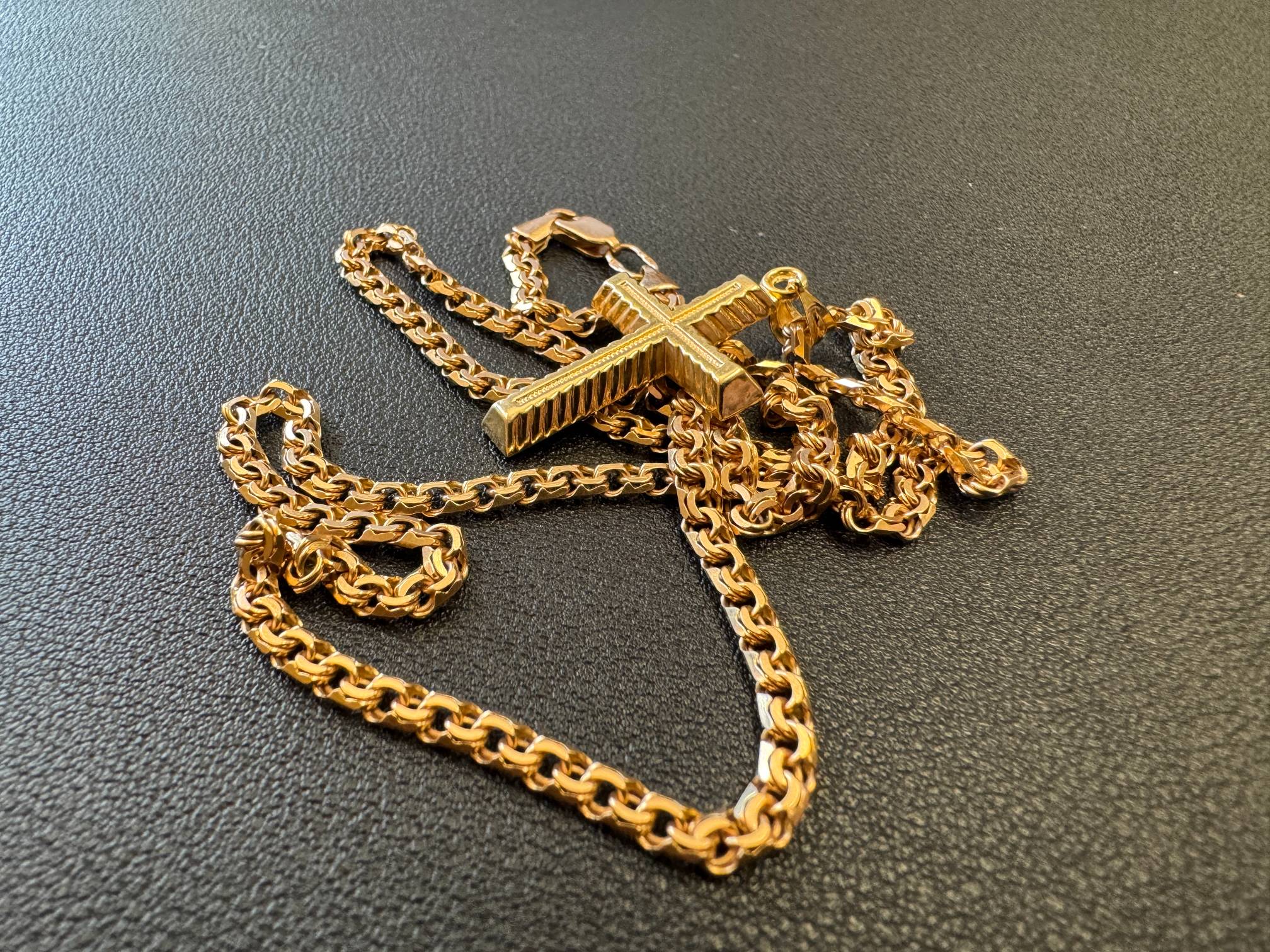
That necklace in the back of your jewelry box may be worth more than its condition suggests. Royal Element buys gold necklaces and chains in Vancouver even if they are broken, tangled, outdated or missing a clasp.
Bring it in for a free evaluation. We will test the metal, weigh the gold and explain the offer before you decide whether to sell.
Walk-ins welcome · No obligation to sell · Instant payment when an offer is accepted
































You Do Not Need to Know What Your Necklace Is Worth Before Visiting
Many sellers arrive with the same questions:
- Is the necklace really gold?
- Does a broken clasp reduce the value?
- Is a hollow chain worth anything?
- Does the pendant count separately?
- Is the necklace worth more as jewelry or as gold?
You do not need to solve those questions at home. A professional evaluation should answer them in front of you.
At Royal Element, the goal is not simply to place the necklace on a scale and give you a number. We identify what the piece contains, explain which parts contribute value and show you how the current gold market relates to the offer.
“Selling gold should not feel confusing. We show you what we test, what the item weighs and how we reached the offer. The final decision always stays with you.” — Constantine, Founder of Royal Element
What We Buy
Bring one necklace, several chains or a mixed jewelry collection. We evaluate:
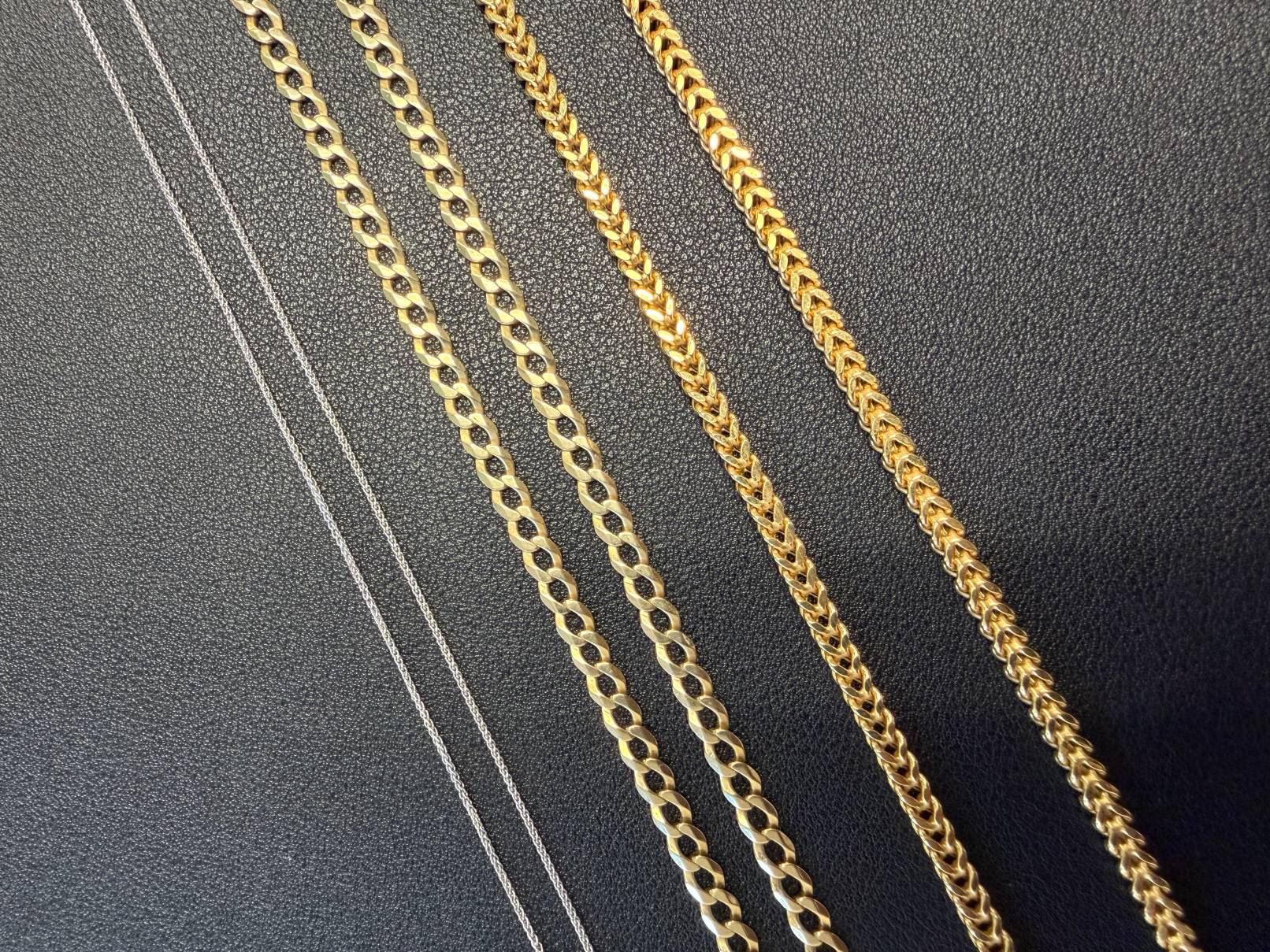
- Cuban, rope, Figaro and curb chains
- Box, wheat, cable and Singapore chains
- Herringbone, snake and omega necklaces
- Chains with crosses, pendants or charms
- Men’s and women’s gold necklaces
- White-gold, yellow-gold and rose-gold pieces
- 10K, 14K, 18K, 22K and other gold purities
- Diamond and gemstone necklaces
- Designer, vintage and estate necklaces
- Broken, kinked, stretched or tangled chains
- Necklaces with missing or damaged clasps
- Unmarked pieces that need professional testing
There is no reason to repair, polish or untangle a necklace before the visit. Damage may affect finished-jewelry resale potential, but it does not erase the gold contained in the piece.
Royal Element also evaluates rings, bracelets, earrings and other gold jewelry.
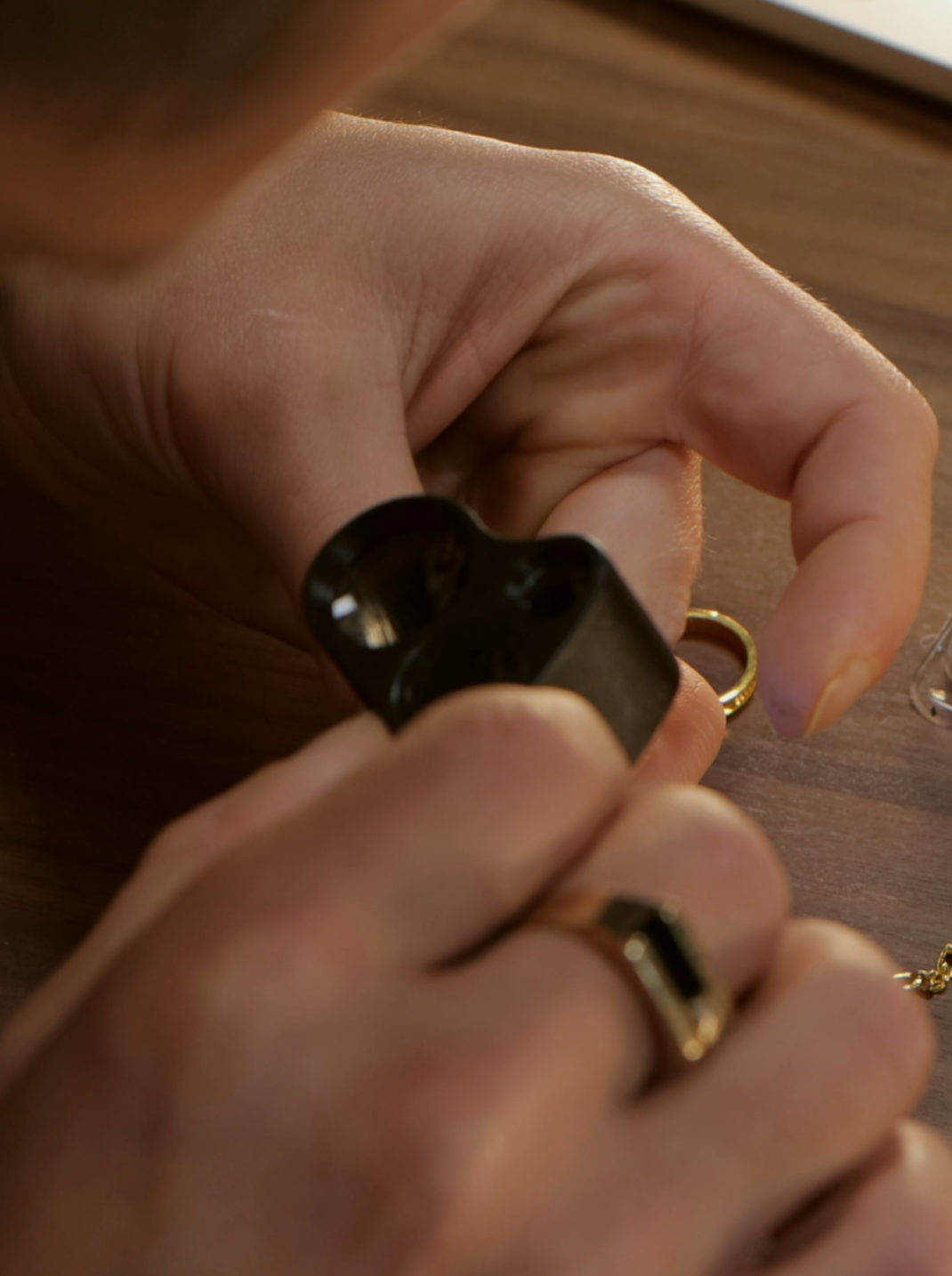
The Five Details That Determine a Gold Necklace’s Value
Gold purity
Karat describes the proportion of pure gold in an alloy. Common marks include:
| Mark | Approximate pure-gold content |
|---|---|
| 10K or 417 | 41.7% |
| 14K or 585 | 58.5% |
| 18K or 750 | 75.0% |
| 22K or 916 | 91.6% |
The mark is usually near the clasp or on an end tag, but it is only a starting point. Stamps can wear away, clasps can be replaced and repaired sections may contain a different alloy. Testing matters more than the stamp alone.
Actual precious-metal weight
A necklace’s size can be misleading. A thick hollow chain may contain less gold than a smaller solid chain. Length, width and visual appearance therefore cannot establish value without an accurate weight.
The relevant figure is not simply the total weight of everything attached to the necklace. Stones, base-metal springs and other non-gold components may need to be accounted for.
Separate components
The chain, clasp, pendant and charm are not always the same karat. A 14K chain may have an 18K pendant or a replacement clasp with a small non-gold spring. Each meaningful component should be identified instead of assuming the entire item has one purity.
This is especially important when selling multiple necklaces. Pieces with different karats should not be combined and valued as though they were identical.
Today’s gold market
The market price of gold changes throughout the trading day. Royal Element uses current market information when preparing an offer.
You can use the Royal Element gold calculator to estimate theoretical gold-content value before visiting. A calculator is not a guaranteed payout: the actual offer follows testing and may account for non-gold materials, refining, market movement, processing and resale potential.
Value beyond the metal
Not every necklace should be treated as scrap. A recognizable designer, unusual vintage construction, substantial natural gemstone or strong secondary market can add value beyond the gold content.
Bring original receipts, appraisals, grading reports and branded packaging if you have them. Documentation does not automatically raise an offer, but it can help identify a piece that deserves a finished-jewelry evaluation.
Which Type of Necklace Are We Buying?
An everyday gold chain
For a plain chain, purity and weight usually drive most of the value. Condition matters less when the likely destination is refining. A broken link or failed clasp may therefore have a smaller effect than many sellers expect.
A chain with a cross, charm or pendant
Bring the complete piece. The chain and pendant can differ in karat, construction and value. Removing a pendant or stone at home can damage the item and make accurate identification harder.
A hollow or lightweight necklace
Hollow construction does not mean fake. If the alloy tests as gold, it contains gold. It simply uses less metal than a similar-looking solid chain, which is why a large hollow piece may feel surprisingly light.
A designer or vintage necklace
Do not accept a scrap-only explanation until the brand, design and condition have been considered. Some signed or collectible pieces may deserve a resale-based evaluation. Others may still be worth primarily their metal content. The distinction should be explained rather than assumed.
An inherited or unidentified necklace
You may not know the age, karat or purchase history. That is normal. Bring the item as found, along with any boxes or paperwork. Testing can establish whether the metal is gold even when there is no readable mark.
Solid Gold, Gold-Filled or Gold-Plated?
A necklace can look gold without being solid-karat gold. These markings help, but professional testing provides the stronger answer:
| Marking | What it generally indicates |
| 10K, 14K, 18K | A gold alloy at the marked purity, subject to verification |
| 417, 585, 750 | Fineness marks commonly corresponding to 10K, 14K and 18K |
| GF | Gold-filled material over a base-metal core |
| RGP | Rolled gold plate |
| GP or GEP | Gold-plated or electroplated material |
| Vermeil | Gold plating over sterling silver |
Gold-filled, plated and vermeil pieces contain far less gold than solid-karat jewelry. Do not file or scratch a necklace to investigate it. Bring it in for identification without damaging it.
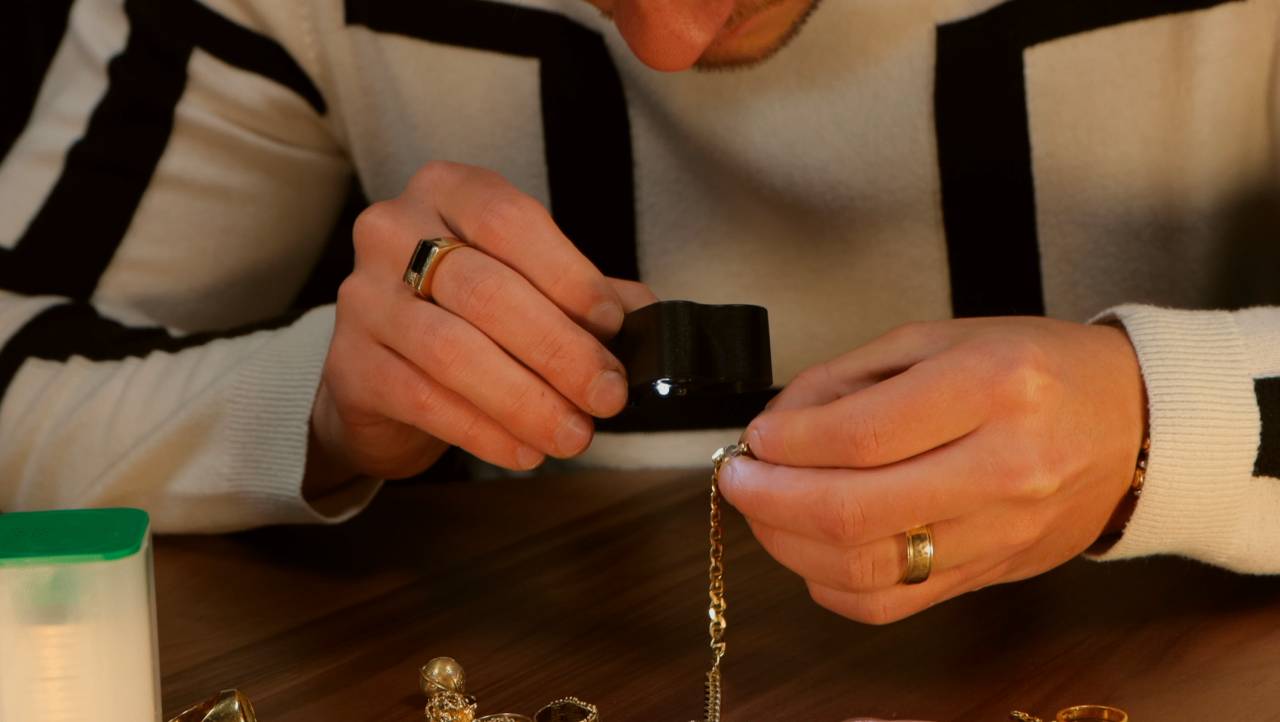
What Happens During the Evaluation?
First, we inspect the complete necklace. We look for markings, repairs, mixed components, stones, branding and construction details.
Next, we test and weigh it. The goal is to verify the metal rather than rely on appearance or an old appraisal.
Then, we explain the offer. You can ask what purity was found, what weight was used, how the market was applied and whether the offer includes any value beyond the gold.
Finally, you decide. The evaluation is free. If you accept the offer, Royal Element completes payment using an available same-day method and follows applicable transaction requirements. If you decline, the necklace remains yours.
Read more about how to sell gold locally and how Royal Element approaches gold pricing.
Five Questions to Ask Before Accepting Any Gold Offer
- What karat did the necklace test as? The buyer should be able to explain the result.
- What weight did you use? Ask whether the figure includes stones or other non-gold parts.
- Were different components tested separately? The clasp, chain and pendant may not match.
- Is the offer based only on melt value? A designer or collectible necklace may warrant additional consideration.
- Is this an actual written offer or only an estimate? Online calculators and advertising ranges are not binding purchase offers.
A transparent buyer should welcome reasonable questions. Be cautious if testing happens out of sight, different karats are grouped together without explanation or a final price is quoted before the item is examined.
Why Sell Locally in Vancouver?
Selling in person allows you to keep the necklace with you until the evaluation begins, watch the process and ask questions in real time. There is no need to photograph the item, wait for an online buyer, manage a marketplace listing or ship jewelry before knowing the offer.
Royal Element’s Vancouver office provides:
- Free, no-pressure evaluations
- Testing and weighing explained during the visit
- Offers informed by the current gold market
- Same-day payment when an offer is accepted
- Walk-in availability and optional appointments
- Evaluation of one item or an entire collection
- A Price Match Guarantee for qualifying current written offers from legitimate buyers
Visit Royal Element in Downtown Vancouver
Royal Element serves necklace sellers from Downtown Vancouver, Uptown Village, Arnada, Hough, Carter Park, Hudson’s Bay, Hazel Dell and communities throughout Clark County.
Royal Element Vancouver
1101 Broadway St., Suite 230A
Vancouver, WA 98660
(564) 237-7332
Monday–Friday: 9:00 a.m. 5:00 p.m.
Saturday: 10:00 a.m.-4:00 p.m.
1101 Broadway St. 230A
Vancouver, WA 98660
Gold Necklace Selling FAQs
One necklace is enough. Royal Element evaluates single pieces as well as mixed jewelry and estate collections.
Damage can reduce resale value, but it does not remove the gold. When a chain is valued primarily for its metal content, purity and weight generally matter more than a broken link or clasp.
Fourteen-karat gold is approximately 58.5% pure. The item-specific value depends on tested purity, precious-metal weight, current gold pricing, non-gold components and any additional designer, gemstone or resale value.
Yes. An absent or unreadable stamp does not prevent evaluation. Testing can determine whether the necklace contains gold and estimate its purity.
No. Bring it in as it is. Paying for repair or aggressive cleaning may not improve a gold-content offer and could damage delicate links, finishes or stones.
Yes, when it contains marketable material. Because a pendant and chain may have different karats or components, they can be tested and valued separately.
No. Walk-ins are welcome during business hours. Scheduling can be useful when you have a large collection or prefer a reserved time.
Bring the necklace, any relevant documentation and a current government-issued photo ID. Precious-metals transactions require identification and recordkeeping under applicable law.