

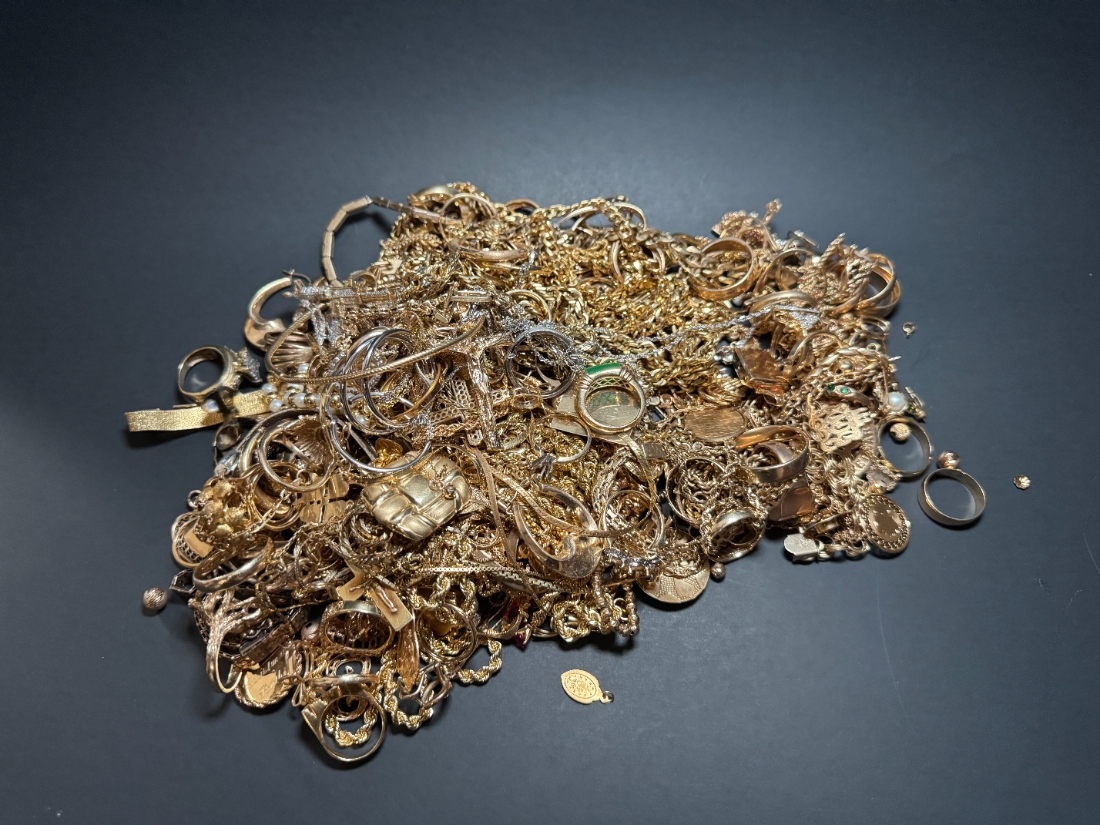
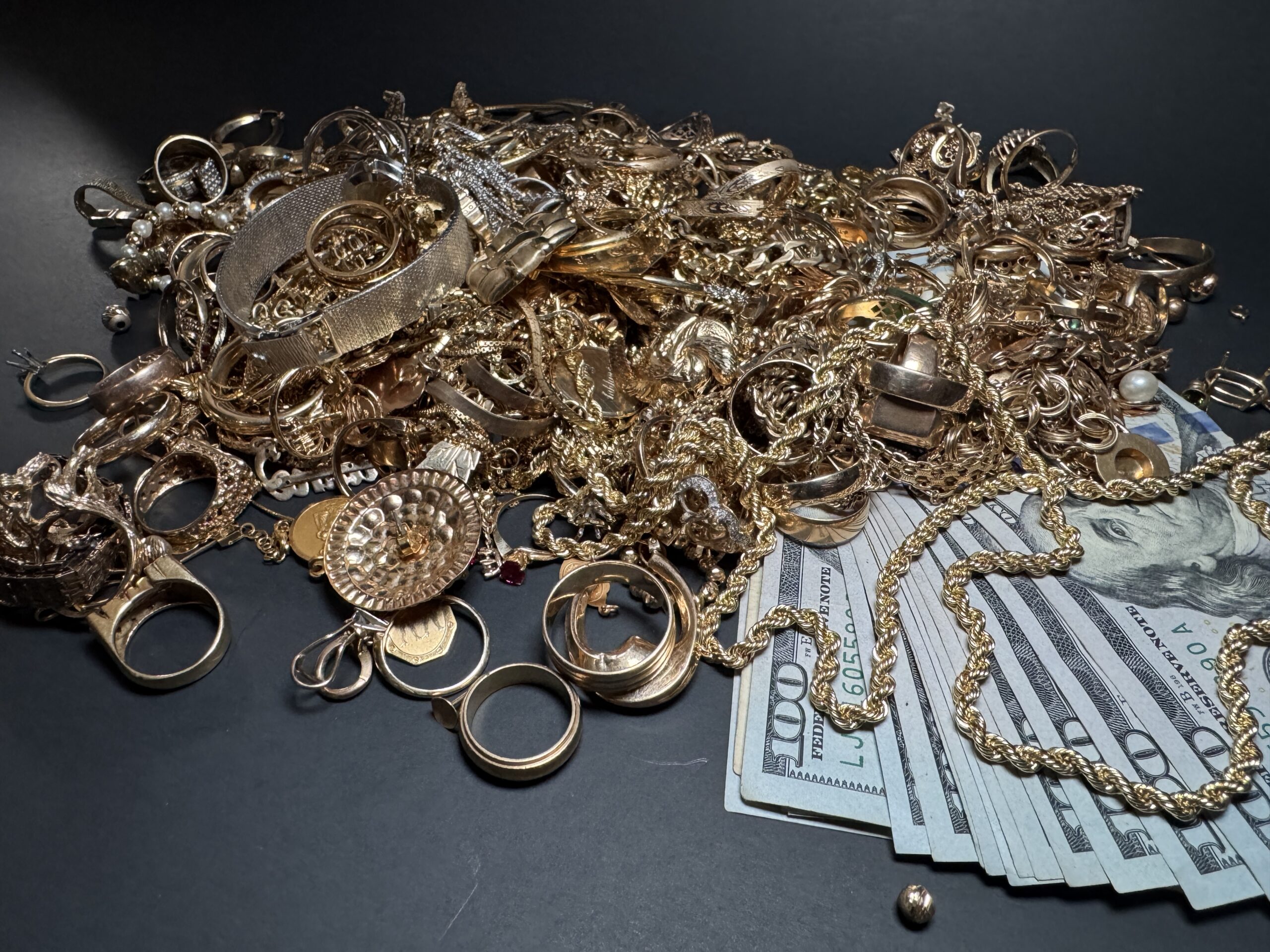
Broken chain. Single earring. Worn-out ring. Old dental gold. Unmarked pieces you cannot identify. If an item contains recoverable gold, it may still be worth selling—even when it is damaged, incomplete or no longer wearable.
Bring your scrap gold to Royal Element in downtown Vancouver for a free, no-obligation evaluation. We test the metal, weigh it, use the current gold market as the pricing benchmark and explain the offer before you decide.
Royal Element Vancouver
1101 Broadway St., Suite 230A
Vancouver, WA 98660
Monday – Friday: 9 a.m.–5 p.m, Saturday: 10 a.m. – 4 p.m.
Get a Free Scrap Gold Evaluation
Estimate Your Gold
Scrap Gold Is Not Worthless Gold
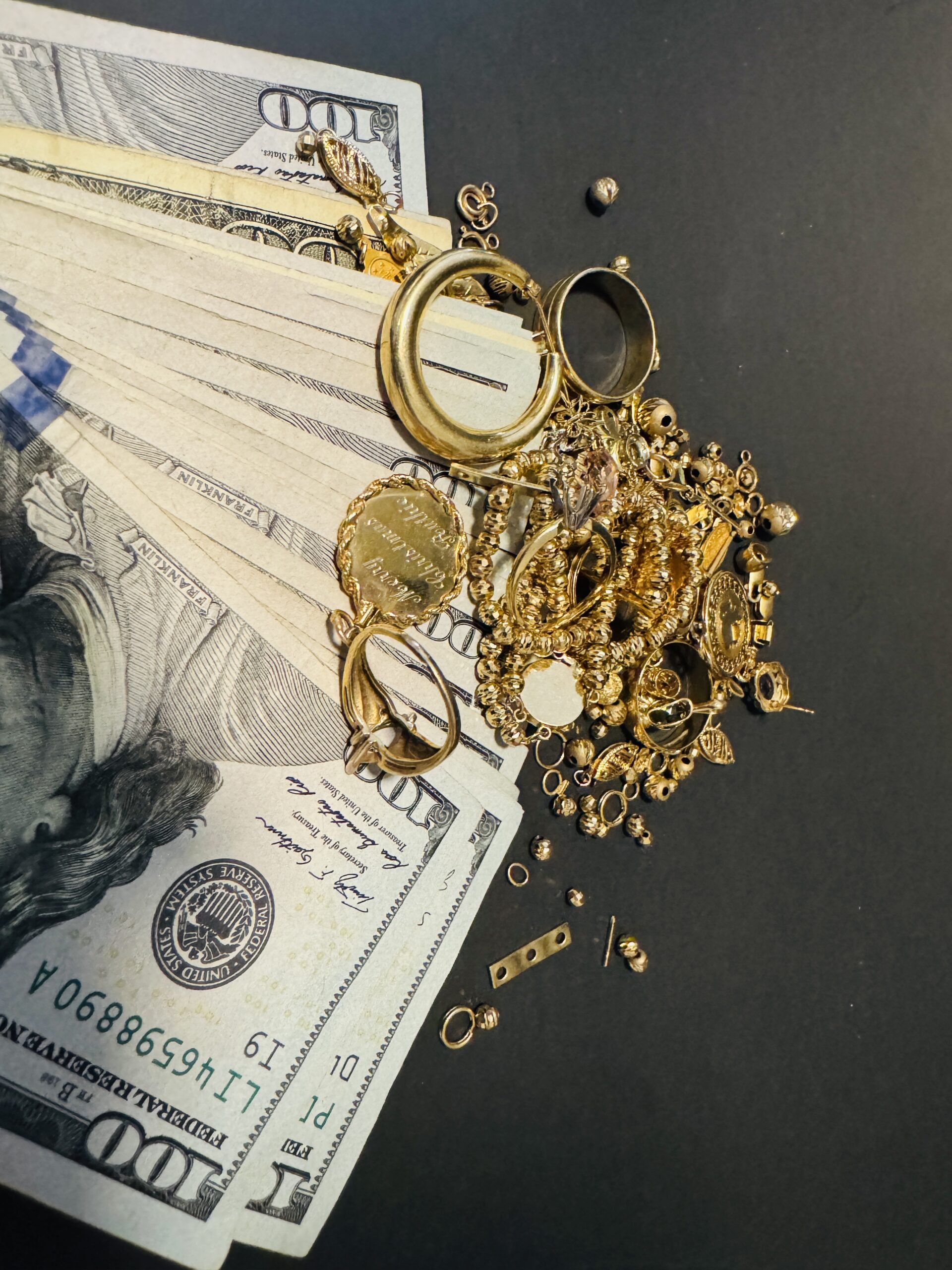
“Scrap” describes how an item is being sold, not how much gold it contains.
A snapped 14K bracelet still contains 14K gold. A mismatched 18K earring still contains 18K gold. Damage may end the item’s usefulness as jewelry, but it does not erase the precious metal inside it.
Scrap gold commonly includes:
- broken chains, bracelets, rings and clasps;
- single earrings and incomplete pairs;
- bent, worn, engraved or outdated jewelry;
- pieces with missing stones;
- unwanted charms, pendants, pins and tie accessories;
- damaged watch cases or bands made with precious metal;
- class rings and old wedding bands;
- gold fragments, clippings and small pieces;
- unmarked items that need testing;
- dental crowns, bridges and other dental gold; and
- mixed lots of yellow, white and rose gold.
One small item is welcome. So is a larger box accumulated over many years.
Before Gold Becomes Scrap, Make Sure It Is Not Worth More Another Way
Not every unwanted gold item should be valued only for its metal.
A recognizable designer piece, antique jewel, collectible coin or intact bullion product may have value beyond its gold content. The same can be true of a well-made vintage piece or jewelry with a significant diamond. Melting those items without first identifying them can destroy value that cannot be recovered.
That is why the first question should not be, “How fast can this be melted?” It should be, “What exactly is this, and which market gives it the strongest value?”
Bring items in as they are. Do not melt them, cut them, remove hallmarks, separate every component or discard boxes and paperwork before the evaluation. If a piece belongs in a different category, it should be reviewed before it is treated as ordinary scrap.
How Your Scrap Gold Offer Is Calculated
The core calculation is straightforward:
confirmed gold purity × net precious-metal weight × current gold market value
The purchase offer is a percentage of the calculated metal value. It is not the full retail price of new jewelry, and it is not 100% of the spot value of pure gold. A buyer’s margin accounts for testing, handling, refining, market movement and operating costs.
A credible offer should make four things clear.
Purity
Karat tells you how much of the alloy is gold. Common examples are:
- 10K: about 41.7% gold;
- 14K: about 58.3% gold;
- 18K: 75% gold; and
- 22K: about 91.7% gold.
Marks such as 417, 585, 750 and 916 may express the same information in parts per thousand. A stamp is a useful starting point, but it is not proof. Clasps can be replaced, pieces can be mismarked and different components can have different purities. Testing confirms what is actually being purchased.
Net precious-metal weight
The gross weight of a piece may include stones, springs, steel pins, solder, watch movements, enamel or other non-gold material. The offer should reflect the recoverable precious metal, not pretend that every gram is pure gold.
Items of different karats should be weighed and valued separately. Combining everything into one unexplained total makes an offer harder to check.
The live gold market
Gold’s spot price changes throughout the trading day. Spot is the wholesale benchmark for one troy ounce of pure gold—not the amount a seller automatically receives for 10K, 14K or 18K jewelry.
The market price used for your offer should be current at the time of the evaluation. You can use Royal Element’s gold calculator to build a useful estimate before visiting, but the final offer requires professional testing and an accurate weight.
The payout rate
Two buyers can agree on the karat, weight and spot price and still make different offers. The difference is often the payout rate and any deductions.
Do not compare slogans. Compare the final amount you would receive. Ask whether the quote has fees, whether non-gold weight was deducted, and whether each purity was calculated separately.
What is your gold worth?
Note: This calculation provides the highest melt value of the gold today and is not an estimate of what we will pay. Your offer will depend on your appraisal. Use this for informational purposes only.
What Happens During a Scrap Gold Evaluation?
1. We sort the items before pricing them
Gold is separated from plated or base-metal pieces, and different karats are grouped. Items that may deserve a jewelry, coin or bullion review are identified before the scrap calculation.
2. We test the metal
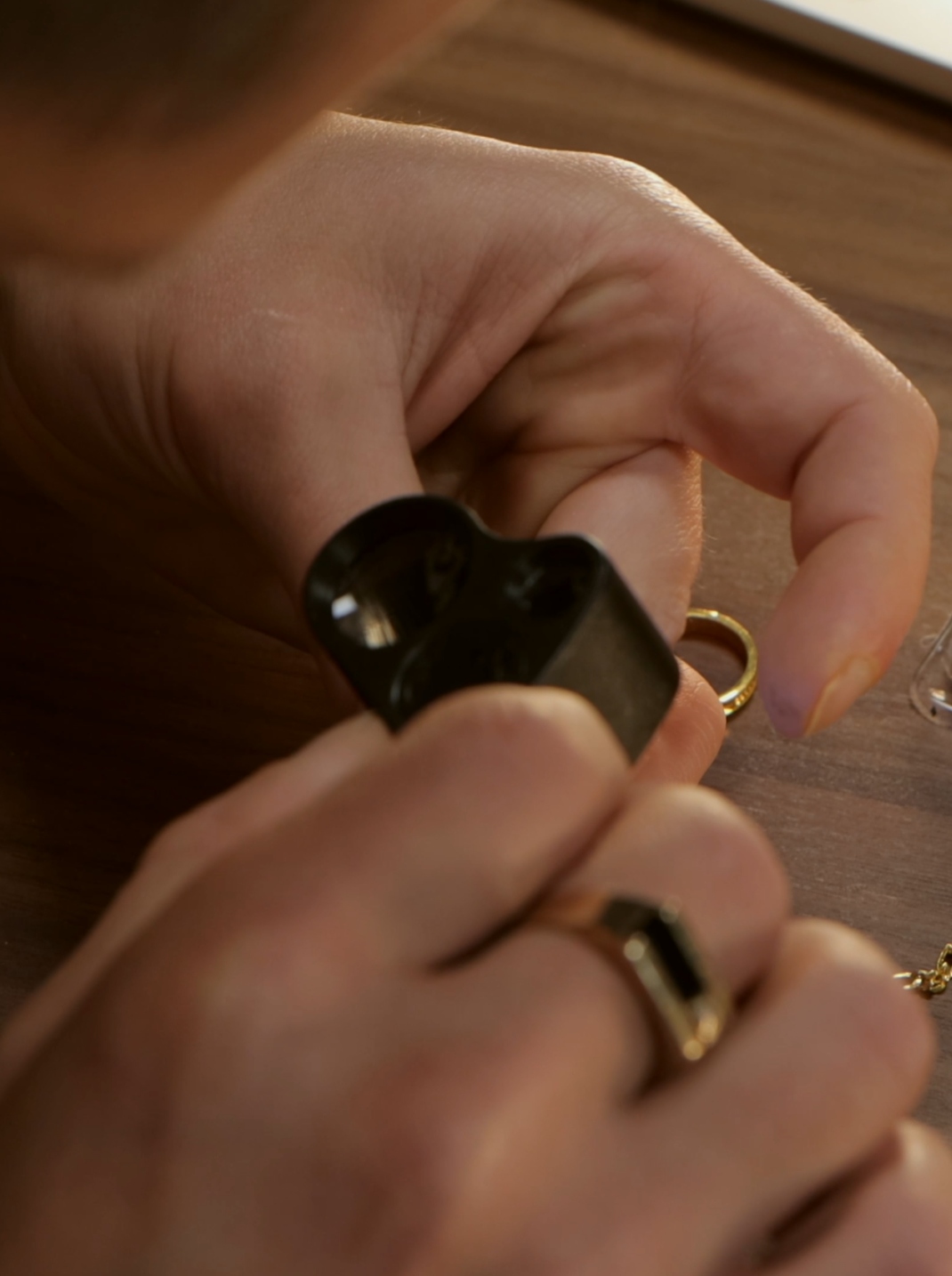
Hallmarks are checked and the metal is professionally tested. An item does not need a visible karat stamp to be evaluated.
3. We weigh the recoverable gold
Gold is weighed with attention to purity and non-gold components. You can see what is being evaluated and ask questions as the process moves forward.
4. We prepare the offer
Royal Element bases the quote on confirmed purity, accurate weight and the live gold market. You receive a detailed offer report explaining the basis of the payout.
5. You choose
The evaluation is free and there is no obligation to sell. If you accept, payment can be arranged during the visit. Royal Element lists check, Venmo, PayPal and ACH among its in-person payment options; contact the office before visiting if you need a specific method.
Most straightforward local evaluations take about 10–20 minutes. Mixed collections, dental gold and pieces needing closer identification may take longer.


































Gold We Evaluate in Any Condition
Broken and tangled jewelry
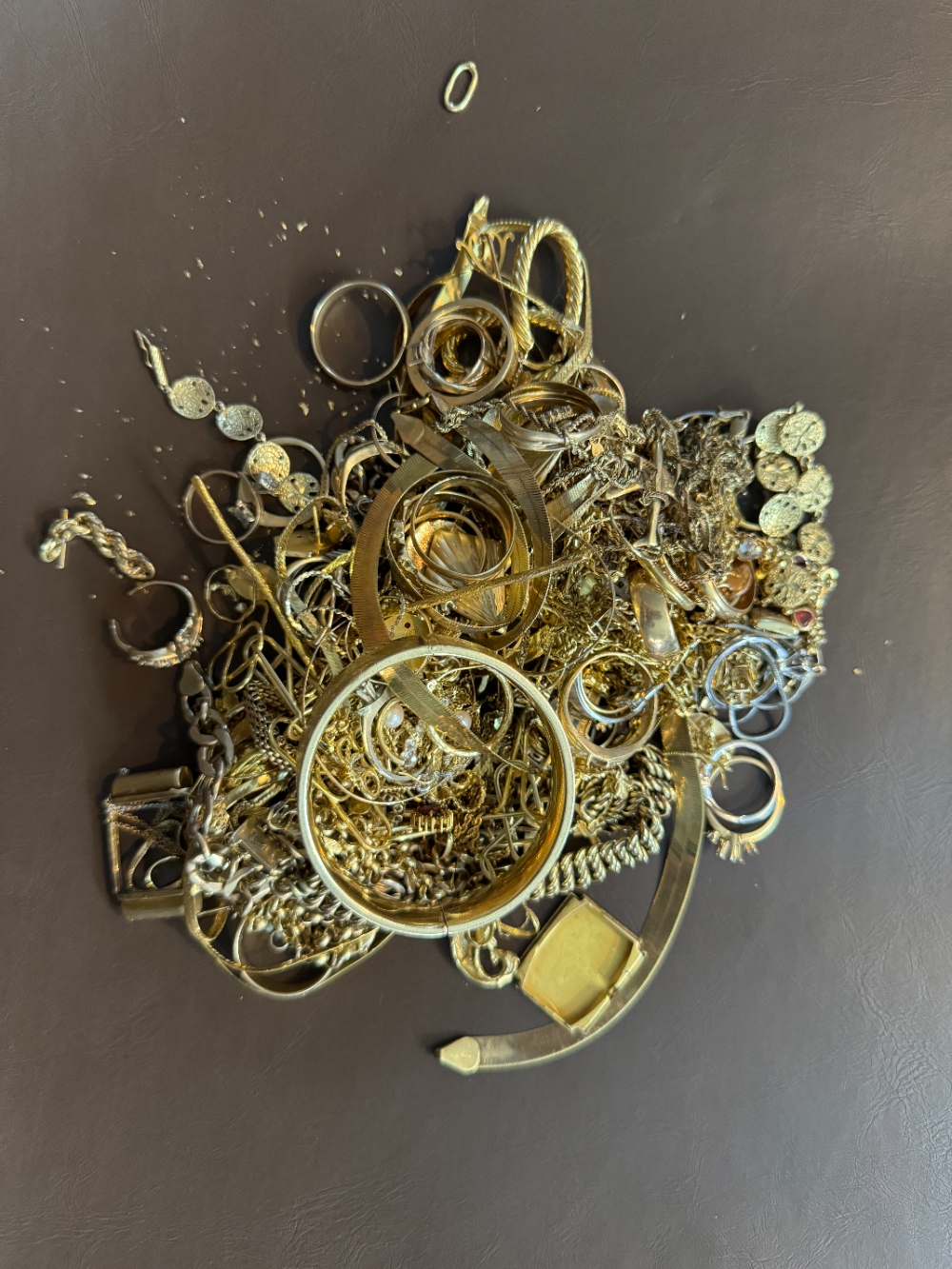
Do not pay to repair a chain or untangle a knotted necklace just to sell it for its gold content. Broken links, missing clasps and wear usually do not change the amount of gold in the piece.
Unmarked gold
Missing stamp? Worn hallmark? No problem. Many older pieces have faint marks, replacement parts or no visible mark at all. Testing matters more than guessing from color.
Yellow, white and rose gold
Color alone does not determine value. At the same karat and weight, yellow, white and rose gold contain the same proportion of pure gold. Their color comes from the other metals in the alloy.
Mixed-karat lots
You do not have to sort a jewelry box perfectly. Keep any labels or notes you already have, but let the evaluator confirm each group. A 10K item should not be priced as if it were 14K, and an 18K piece should not disappear into a lower-karat average.
Dental gold
Dental gold can contain a valuable mix of gold and other precious metals, but its purity varies widely and it is rarely stamped. Bring crowns, bridges or clean dental pieces in a secure container. Professional testing is the only reliable way to determine whether they have purchase value.
Small fragments and jeweler’s scrap
Gold clippings, damaged findings, loose links and other small solid-gold pieces can add up. Keep them together in a bag or container so nothing is lost. Call first about industrial material, electronic components, sweeps or filings because those lots may require a different recovery process.
Solid Gold, Gold-Filled, Vermeil or Plated?
These terms are not interchangeable.
Solid gold means the item is a gold alloy throughout. It may be 10K, 14K, 18K or another purity. “Solid” does not mean pure 24K and does not mean the piece is physically solid rather than hollow.
Gold-filled jewelry has a mechanically bonded layer of gold over base metal. It contains more gold than ordinary plating, but far less than a solid-gold piece.
Gold vermeil is gold plated over sterling silver.
Gold-plated jewelry has a very thin surface layer of gold over another metal.
Royal Element generally focuses on gold, silver, platinum and palladium rather than plated base-metal items. Gold-filled and plated pieces may have little or no purchase value in an ordinary consumer lot. If you are unsure, bring the item or call before making the trip. Do not rely on color or a magnet alone.
What About Diamonds and Gemstones?
Do not remove stones at home. You could damage the stone, lose a small diamond or remove metal that needs to be weighed.
Royal Element’s standard scrap-gold offer is based primarily on precious-metal content. Its current customer guidance says larger diamonds or significant gemstones can be removed and returned, while gemstone value is not typically included in the gold offer. Ask how stones will be handled before accepting the transaction.
If you believe a piece has important diamonds, a designer signature or meaningful estate-jewelry value, say so at the beginning. It may deserve a different review from a routine scrap lot.
Bring These Items With You
- Your gold exactly as it is—even if broken, tangled or unmarked
- A valid, unexpired government-issued photo ID
- Any original box, receipt, appraisal, grading report or brand paperwork you already have
- Notes showing which pieces you want quoted separately
- A prior written offer, if you want to compare like-for-like numbers
Washington requirements make identity verification part of a precious-metal transaction. Royal Element also requires the seller to confirm legal ownership. If you are selling for an estate, trust, business or another person, call first to ask what authority documents may be needed.
Five Questions to Ask Any Scrap Gold Buyer
- What live gold price are you using? The market benchmark should be current, not an unexplained house price.
- What purity did each item test at? Different karats should not be hidden in one average.
- What weight is payable? Ask whether stones and non-gold components were excluded.
- Are there fees or later deductions? Compare the amount you actually receive.
- Is anything here worth more than scrap? Designer jewelry, collectible coins and intact bullion should be identified before melting.
A fair process should leave you able to explain your own offer in one sentence: what you sold, how much gold it contained and how the buyer reached the final number.
Sell Locally Without Mailing Your Gold
An in-person visit lets you keep possession of the items until you hear the offer. You can watch the evaluation, ask questions, review the number and decide during the same appointment. There is no need to pack valuables, wait for delivery or make a decision over email.
Royal Element’s Vancouver office is in the Broadway Business Center at 1101 Broadway St., Suite 230A, convenient to downtown Vancouver and the surrounding Clark County communities.
Get Directions
(564) 237-7332
Scrap Gold Questions, Answered
Yes, if it contains real gold. For a scrap-gold sale, purity and recoverable weight matter more than a broken clasp, missing match or outdated style.
Value depends on confirmed purity, net gold weight, the live market price and the buyer’s payout rate. A calculator can estimate metal value, but an exact offer requires testing and weighing the actual items.
No. Spot price is the wholesale benchmark for pure gold. Scrap jewelry contains alloys and may include non-gold parts. The buyer’s offer is a percentage of the calculated metal value after accounting for testing, handling, refining, market risk and margin.
A general rate may help with an estimate, but it is not an exact quote unless the purity and payable weight are known. A stamp can be wrong, and the scale weight may include stones or non-gold components.
Yes. Royal Element evaluates anything from a single earring or charm to a larger mixed collection.
Yes. A missing or unreadable hallmark does not prevent testing. The confirmed metal content—not the presence of a stamp—determines whether the item has value.
Yes. Color does not reduce an item’s value when the karat and weight are the same. White and rose gold are gold alloys made with different supporting metals.
Royal Element generally buys precious metals rather than plated base metal. Plated and small gold-filled items usually contain too little recoverable gold for a standard purchase. Bring uncertain pieces for identification or call first.
Yes, Royal Element evaluates dental gold. Dental alloys vary, so the item must be tested rather than priced from appearance.
No. Cleaning or repairing does not add gold content and can cost money or damage an older piece. Bring it as it is.
No. Ask the evaluator how stones and non-gold weight will be handled. Royal Element’s current guidance says larger or significant stones can be removed and returned, while their value is not typically part of a scrap-gold offer.
Usually they should be evaluated separately. Recognizable bullion and collectible coins may trade on weight, purity, condition, mint and market demand. Do not damage or melt them before a coin or bullion review.
Bring any paperwork you have, especially for branded jewelry or inherited items, but the gold still needs to be tested and weighed. You must have legal authority to sell the items and provide valid photo identification.
No. Walk-ins are welcome Monday through Friday from 9 a.m. to 5 p.m. An appointment is useful for a large collection or if you want a specific time.
Many straightforward evaluations take about 10–20 minutes. Larger mixed lots or items needing special identification can take longer.
Yes. The in-person evaluation is free and there is no obligation to accept the offer.
Royal Element lists check, Venmo, PayPal and ACH as in-person options after an offer is accepted. Ask in advance if you require a particular payment method.
Tax treatment depends on your cost basis, whether there is a gain, how you acquired the item and your broader circumstances. Keep the transaction record and ask a qualified tax professional if you are unsure. Royal Element does not provide tax advice.
Bring the Gold. Get a Number You Can Understand.
You do not need to know the karat, untangle every chain or calculate the value before visiting. Bring the items and valid photo ID. Royal Element will test the metal, weigh it, explain the offer and let you decide without pressure.
Royal Element Vancouver
1101 Broadway St., Suite 230A
Vancouver, WA 98660
Monday–Friday, 9 a.m.–5 p.m.